
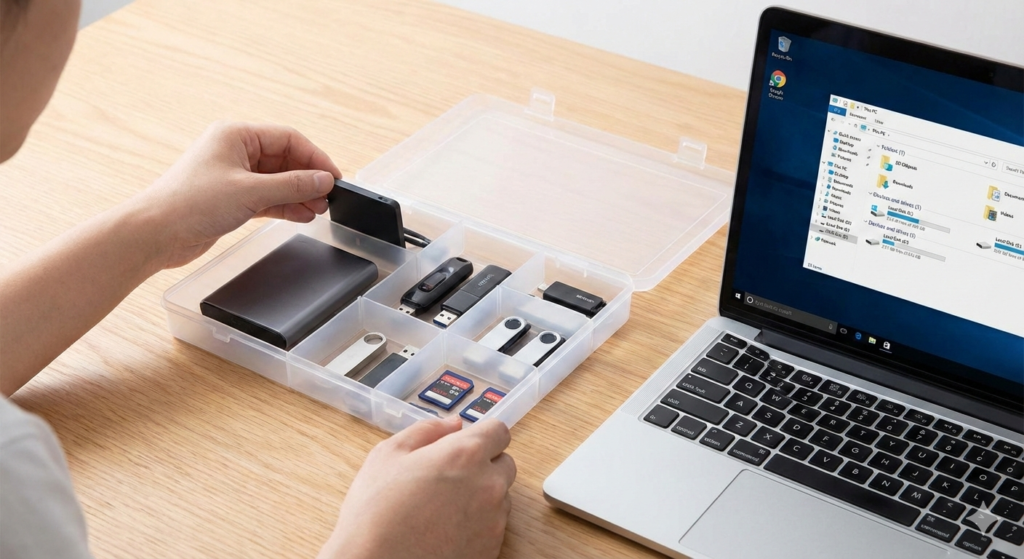
Storage capacity is one of the most critical yet overlooked aspects of device purchasing. Many people opt for the cheapest model with minimal storage, only to struggle with “storage full” notifications months later. This decision affects not just convenience but also device performance.
When choosing storage, consider your usage habits. Casual users who primarily browse social media and take occasional photos can manage with 64-128GB. However, photography enthusiasts, mobile gamers, or professionals who work on-the-go should invest in 256GB or higher. Remember that system files and pre-installed apps already consume significant space before you even start using your device.
Cloud storage solutions like Google Drive, iCloud, or OneDrive offer flexibility, but they require internet connectivity and may involve subscription costs. The ideal approach combines adequate onboard storage with cloud backup for important files. Laptops offer more flexibility with external hard drives and SD cards, but smartphones have limited expansion options—making your initial storage choice even more crucial. Before upgrading or purchasing, audit your current storage usage. Often, cached data, duplicate photos, and unused apps consume valuable space. Regular maintenance can free up gigabytes without spending a penny.