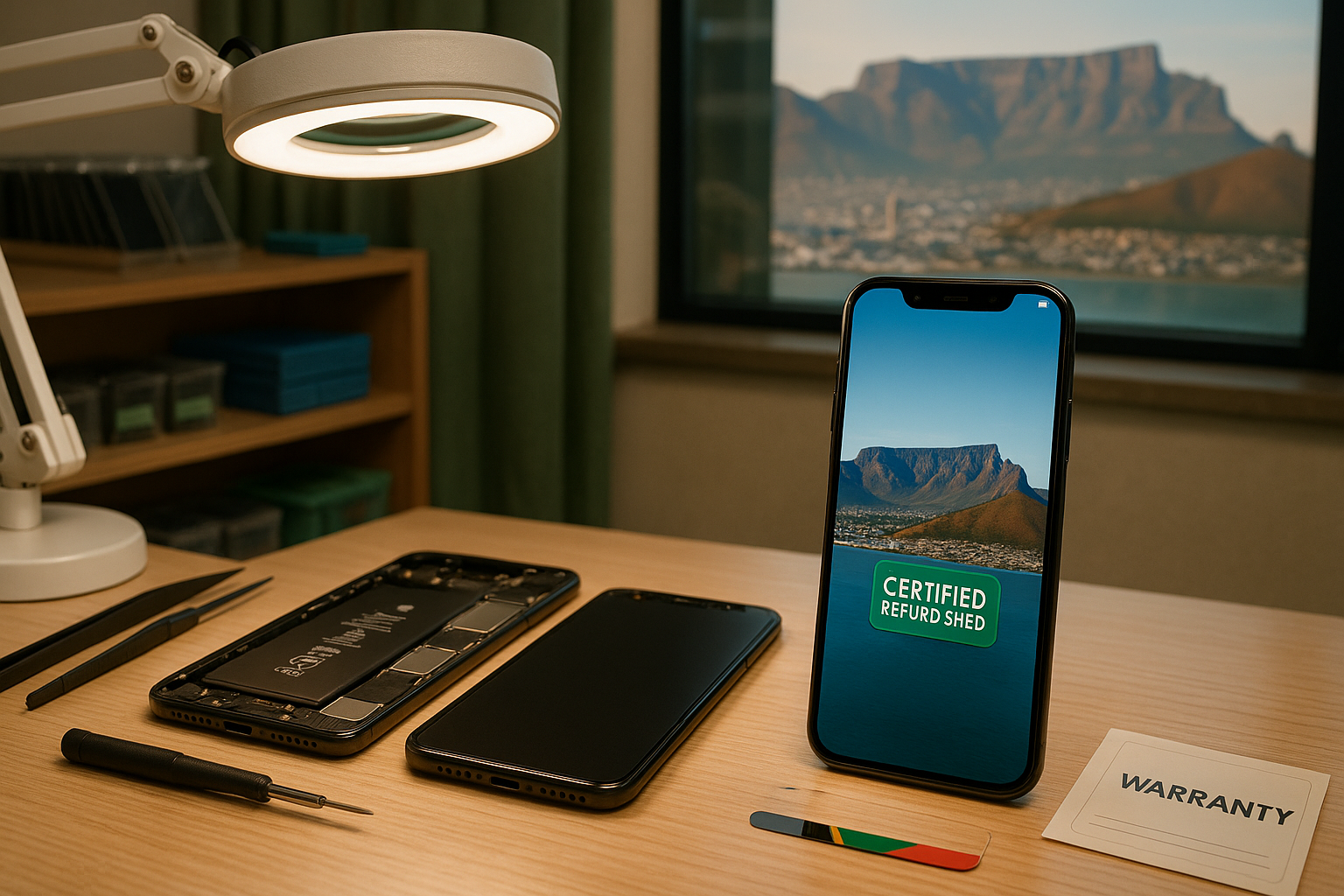
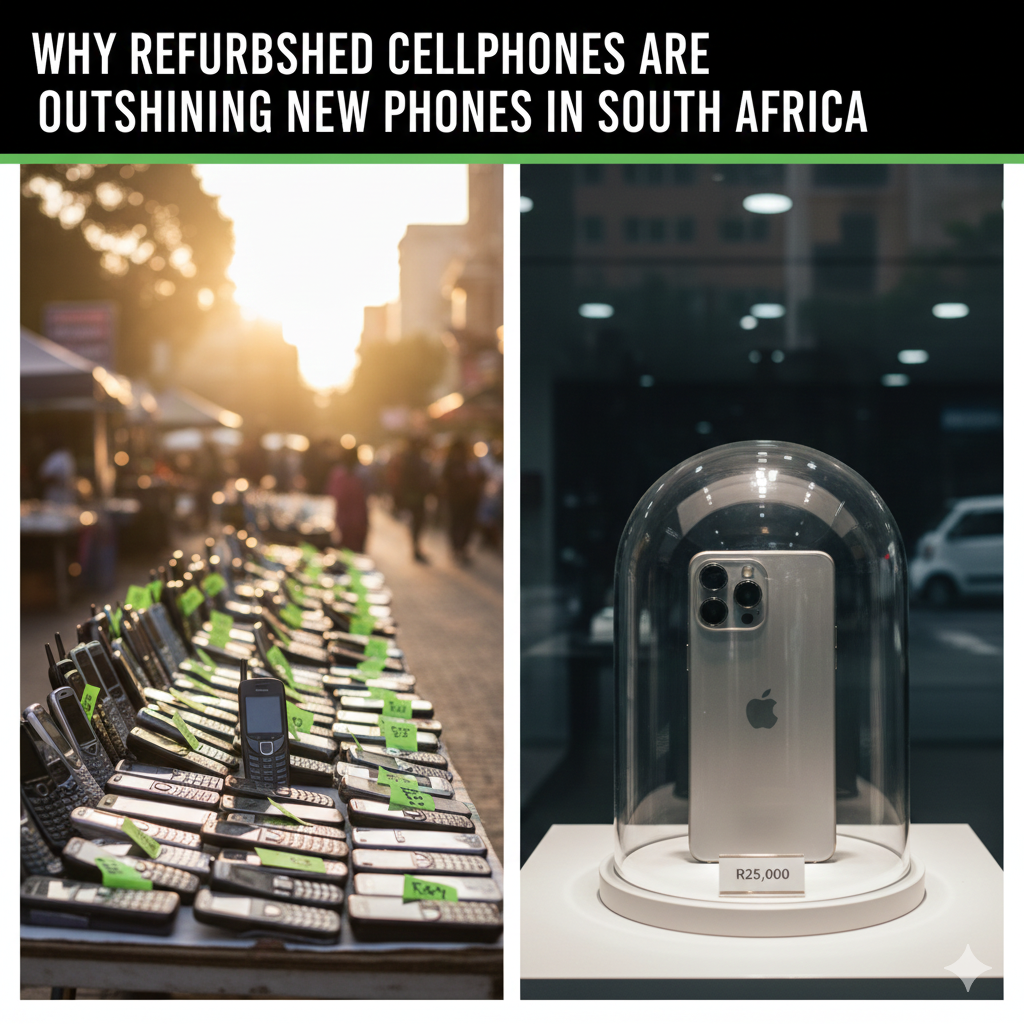
In a country where smartphone penetration is soaring yet economic challenges persist, South Africans are increasingly turning to refurbished cellphones as a smart, sustainable, and budget-friendly alternative to brand-new devices. With over 90% of the population relying on mobile connectivity for daily life—from banking to education—the demand for affordable, high-quality phones has never been greater. But are refurbished devices truly worth considering? Let’s explore why they’re becoming a game-changer in South Africa’s tech landscape.
1. Cost Savings: Stretching the Rand Further
South Africa’s economy has faced significant strain in recent years, with inflation, unemployment (over 32%), and stagnant wages making new smartphones unaffordable for many. A brand-new mid-range smartphone can cost between R5,000 and R10,000, while a refurbished model with similar specs often sells for **30–50% less**.
For example, a refurbished iPhone 11 in SA might retail for R6,500, compared to R12,000+ for a new one. This price difference allows consumers to access reliable technology without compromising on quality. Refurbished phones are particularly appealing to:
– Students needing devices for online learning.
– Gig workers relying on apps like Uber or Bolt.
– Budget-conscious families prioritizing essentials over luxury.
By choosing refurbished, South Africans can allocate savings to other critical needs, such as data bundles or household expenses.
2. Environmental Impact: Tackling E-Waste Responsibly
South Africa generates over 360,000 tonnes of e-waste annually, with only 12% recycled responsibly. Discarded phones leak toxic materials like lead and mercury into landfills, harming communities and ecosystems.
Refurbished phones combat this crisis by:
– Extending device lifespans: Each refurbished phone resold reduces demand for new manufacturing.
– Lowering carbon footprints: Producing a new smartphone emits 85% more CO₂ than refurbishing an existing one.
– **Promoting circular economies**: Local refurbishers like *iStore Approved* and *Mobicell* repair and resell devices, keeping them out of landfills.
For eco-conscious consumers, buying refurbished is a tangible way to support sustainability while staying connected.
3. Quality and Reliability: Debunking Myths
Many South Africans worry refurbished phones are “second-hand” or faulty. In reality, certified refurbished devices undergo rigorous testing:
– **Diagnostic checks**: Batteries, screens, and hardware are replaced or repaired.
– **Software updates**: Devices are reset to factory settings with the latest OS.
– **Certification programs**: Sellers like *Takealot* and *Refurbished.co.za* offer warranties (often 6–12 months) to guarantee quality.
For instance, *Orange Grove’s* refurbished Samsung Galaxy models come with a 1-year warranty, matching the assurance of new phones. This reliability makes refurbished devices ideal for SA’s informal traders, who depend on durable phones for daily business.
4. Access to Premium Brands Without the Price Tag
South Africans love premium brands like Apple and Samsung, but their latest models are often prohibitively expensive. Refurbished markets bridge this gap:
– A refurbished iPhone 12 (128GB) costs ~R9,000 vs. R18,000+ new.
– Refurbished Samsung Galaxy S20 models retail for ~R7,500 (half the original price).
This allows users to enjoy flagship features—advanced cameras, 5G connectivity, and premium builds—without the sticker shock. For young professionals or content creators, this unlocks opportunities to build online portfolios or run businesses efficiently.
5. Boosting Local Businesses and Job Creation
The refurbished phone market isn’t just good for buyers—it’s empowering local economies. Small businesses like *Cellucity* and *WeFix* specialize in repairing and reselling devices, creating jobs in tech repair, sales, and logistics. With youth unemployment at 60%, this sector offers vital opportunities in SA’s townships and cities.
Moreover, buying refurbished keeps money within local communities. Instead of profits going overseas to multinational manufacturers, they support homegrown enterprises.
6. Warranty and Support: Peace of Mind Guaranteed
Concerned about post-purchase issues? Reputable refurbishers in SA comply with the Consumer Protection Act (CPA), ensuring:
– **Transparency**: Full disclosure of a phone’s condition (e.g., “Grade A” for near-new).
– **Warranties**: Minimum 6-month coverage on devices.
– **Return policies**: Many retailers offer 7–14-day return windows.
Platforms like *Carbonite* and *Mall for Africa’s Refurbished Store* even partner with insurers to offer screen repair plans, mirroring services for new phones.
7. The Rise of SA’s Refurbished Market
The refurbished cellphone market in SA is growing at **15% annually**, driven by:
– **Increased trust**: Platforms like *Bidorbuy* and *Facebook Marketplace* verify sellers.
– **Flexible payment options**: Retailers like *MTN* and *Vodacom* offer refurbished phones on contract.
– **5G expansion**: Refurbished 5G-compatible devices are entering the market, future-proofing buyers.
Conclusion: A Smart Choice for South Africa
Refurbished cellphones are no longer a compromise—they’re a strategic choice for South Africans navigating economic pressures and environmental responsibility. With rigorous quality checks, significant savings, and support for local jobs, they offer a win-win for consumers and communities alike.
Next time you’re due for an upgrade, consider giving a refurbished device a second life. Your wallet—and the planet—will thank you.
Where to Buy Certified Refurbished Phones in SA:
– iStore Approved
– Refurbished.co.za
– Takealot Renewed
– Cellucity